
Source tagging: protection that arrives in the box.
Somebody has to attach every security tag in retail. Source tagging moves that work out of the stockroom and up the supply chain, so merchandise arrives with its protection already inside the packaging or sewn into the label. It is the quiet reason a huge share of goods are protected on day one, and it is reshaping RFID adoption the same way it reshaped EAS.
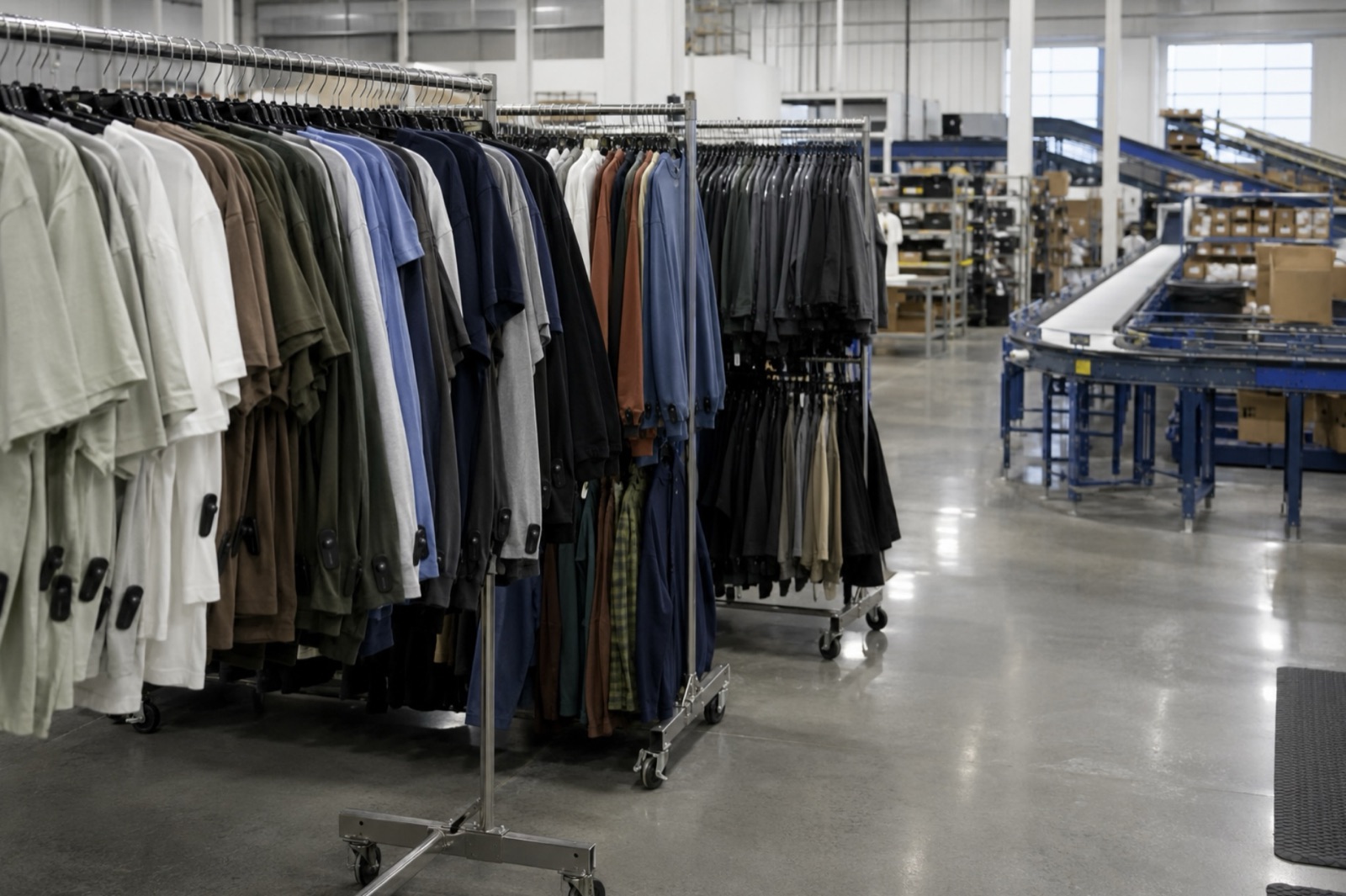
What Source Tagging Is
Source tagging is the practice of applying a security tag at the point of manufacture or packaging rather than in the store. For EAS, that usually means a thin adhesive label, an acousto magnetic (AM) or radio frequency (RF) element, placed inside the product's packaging or concealed on the product itself before it ever ships. For RFID, it means the inlay is built into the hangtag, the price ticket, or a care label, carrying its unique serial number from the factory floor onward.
The store receives merchandise that is already protected, already countable, or both. Nobody in the back room touches a tagging gun.
Why Retail Moved the Work Upstream
The economics are straightforward. Tagging in store is labor: every item handled once more between the truck and the sales floor. At chain scale that labor is enormous, and it is also inconsistent, since every store tags a little differently, misses a little differently, and places tags where each associate happens to put them.
Applying tags at the source solves all three problems at once:
- Labor moves to the cheapest point. Inserting a label during packaging is one motion on a production line instead of a stockroom task in hundreds of stores.
- Coverage becomes consistent. Every unit of a source tagged product is protected, in the same place, with the same tag type. There is no per store variance.
- Concealment gets better. A label inside the box or under a care label is far harder for a shoplifter to find and strip than a visible tag applied over the packaging, a point that matters against the prepared offender as much as the opportunist. Our booster bag dispatch lists concealed source applied tags among the countermeasures that hold up.
The major EAS ecosystems have run source tagging programs with manufacturers for decades, which is why so much general merchandise alarms at a pedestal even in stores that never tag anything themselves. Speed matters too: goods that arrive floor ready go from the truck to the shelf without a stop at a tagging bench.
The RFID Version of the Same Idea
RFID source tagging follows the identical logic with one addition: identity. An EAS label applied at the factory is anonymous; it makes the pedestal alarm and nothing more. An RFID inlay applied at the factory carries a unique Electronic Product Code, serialized under GS1 standards so that no two items collide, and that serial number is useful to everyone who touches the item afterward: the factory proving the carton's contents, the distribution center verifying a shipment, the store counting its floor stock with a handheld reader.
This is why apparel led RFID adoption: brands that control their own manufacturing can mandate inlay equipped tickets across entire product lines, and the retailer inherits full coverage without a tagging program of its own. The mechanics of what those serial numbers do for a store are covered in our RFID vs EAS primer.
The two streams also converge at the source. Dual technology labels, an EAS element and an RFID inlay in one footprint, can be applied in the same factory step, arming the door and the inventory count with a single piece of material.
What the Store Stops Doing, and What It Does Not
A store receiving source tagged goods retires real work: no tagging bench, no tagging labor budget, no box of loose labels in the stockroom. But source tagging changes where tags come from, not how they behave. The EAS label still has to be deactivated at the point of sale, on the same deactivation pad, or the customer alarms at the door with a legitimate purchase. The RFID serial still has to be marked sold in software. Checkout equipment and discipline stay exactly as they were; our EAS field guide covers that half of the loop.
The Trade Offs
Source tagging is not a switch a retailer flips; it is a supply chain negotiation, and it comes with edges worth knowing.
- Vendor compliance varies. A program is only as complete as its least compliant supplier. Most stores running source tagged assortments still keep a small in store tagging capability for the vendors and categories the program has not reached.
- Coverage is invisible until tested. A store cannot see at a glance which items carry a concealed label. Receiving spot checks, a sample carton waved past a deactivator or reader, are the practical audit.
- Tag choice is locked upstream. The store inherits whatever tag type and placement the program specifies, which is one more reason ecosystem alignment (AM or RF, and which RFID inlay) is a decision made once, carefully, at the chain level.
- Hard goods still favor hard tags. Source tagging shines for packaged goods and apparel labels. High theft items that need a visible deterrent or benefit denial, the territory of ink tags and lanyard tags, keep their in store application step.
Where the Equipment Comes From
Source tagged or not, the store side hardware is the same: pedestals at the door, deactivators at the counter, hard tags for the categories that need them. All of it is available as refurbished EAS equipment at securitytagstore.com, Retail Security Group's commerce property. On the RFID side, rfidinventorytags.com covers inlay labels, printers for stores that serialize in house, and the readers that turn source applied inlays into a working count.